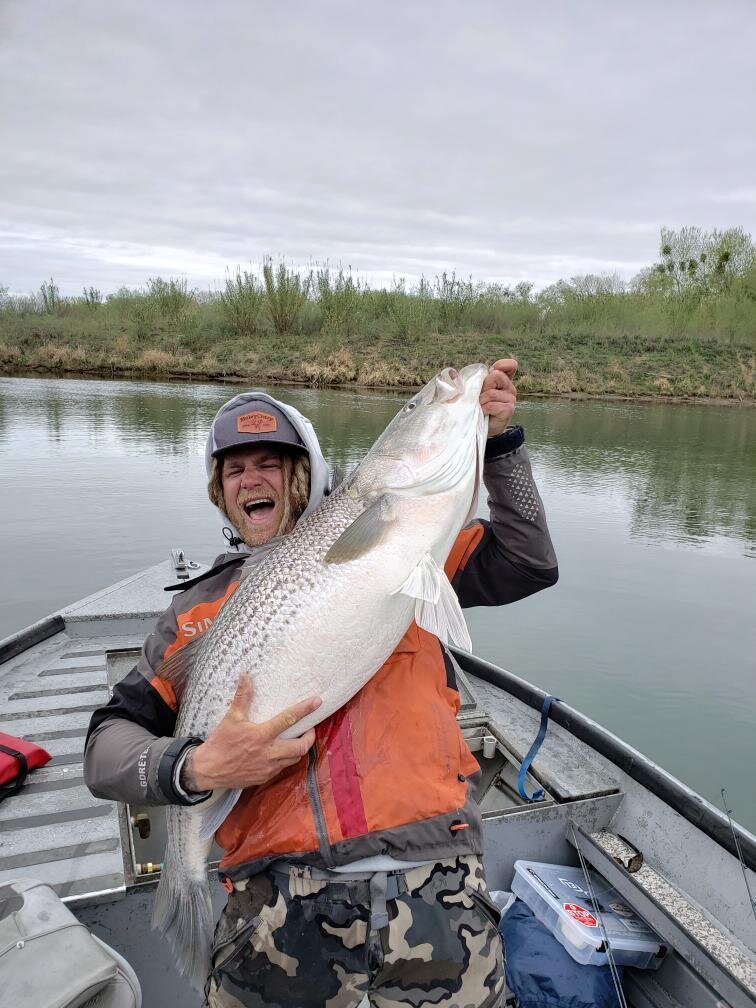
I struggle with what’s happened to NorCal’s fisheries and wildlife over the past few decades. The creeks, streams, rivers, and lakes I grew up fishing are shadows of what they once were. Places that were once safe and enjoyable for outdoor recreation are now often overrun and unsafe, dominated by transients who’ve taken up residence. What was once a rewarding and successful outing for my generation in the 1980s and 1990s is now a rarity. It’s disheartening to see kids today eager to fish and hunt but without the same safe, abundant opportunities I had growing up.
What will be left for the next generation of Northern California sportsmen? What about their children? I’m not sure I even want to know the answer to these questions honestly.
What’s left for us now is only a fraction of what we once had. I remember my dad saying the same thing to me as a kid: “The good ol’ days are gone.” But where did they go? That’s up for debate. If you’re growing up in this modern era and don’t know about the bountiful past, Northern California’s outdoors might still seem like a paradise. And in many ways, it still is. The region offers the same variety of outdoor activities as when I was growing up. The difference is in the results. Success is harder to come by now, and certainly earned.
What happened? When did it happen? Who’s to blame? These are all relevant questions, and I’ll do my best to explain my perspective. This is my personal opinion, shaped by memories, discussions with lifelong friends, and some scientific facts. The only way to truly understand, I believe, is through compassion.
**Then:**
The early 1990s were spent with a shotgun or fishing pole in hand, chasing every species of fish and game season by season. It’s just what we did with our free time. I remember driving to high school with my shotgun in the passenger seat of my car, which I parked in the student parking lot all day. This was normal. I recall classmates who drove pickup trucks with gun racks and guns visible at all times. This didn’t cause concern with the staff and faculty. This was accepted as the norm, and no one ever thought twice about it. Guns were for hunting, and that’s all we cared about.
The abundance of public resources back then far exceeded what we have today. Migrating ducks and geese filled the skies for weeks, not days. Pheasants were everywhere—fields, ditches, orchards, even backyards. Deer herds thrived in the mountains on either side of the Sacramento Valley. Success in hunting and fishing was almost guaranteed.
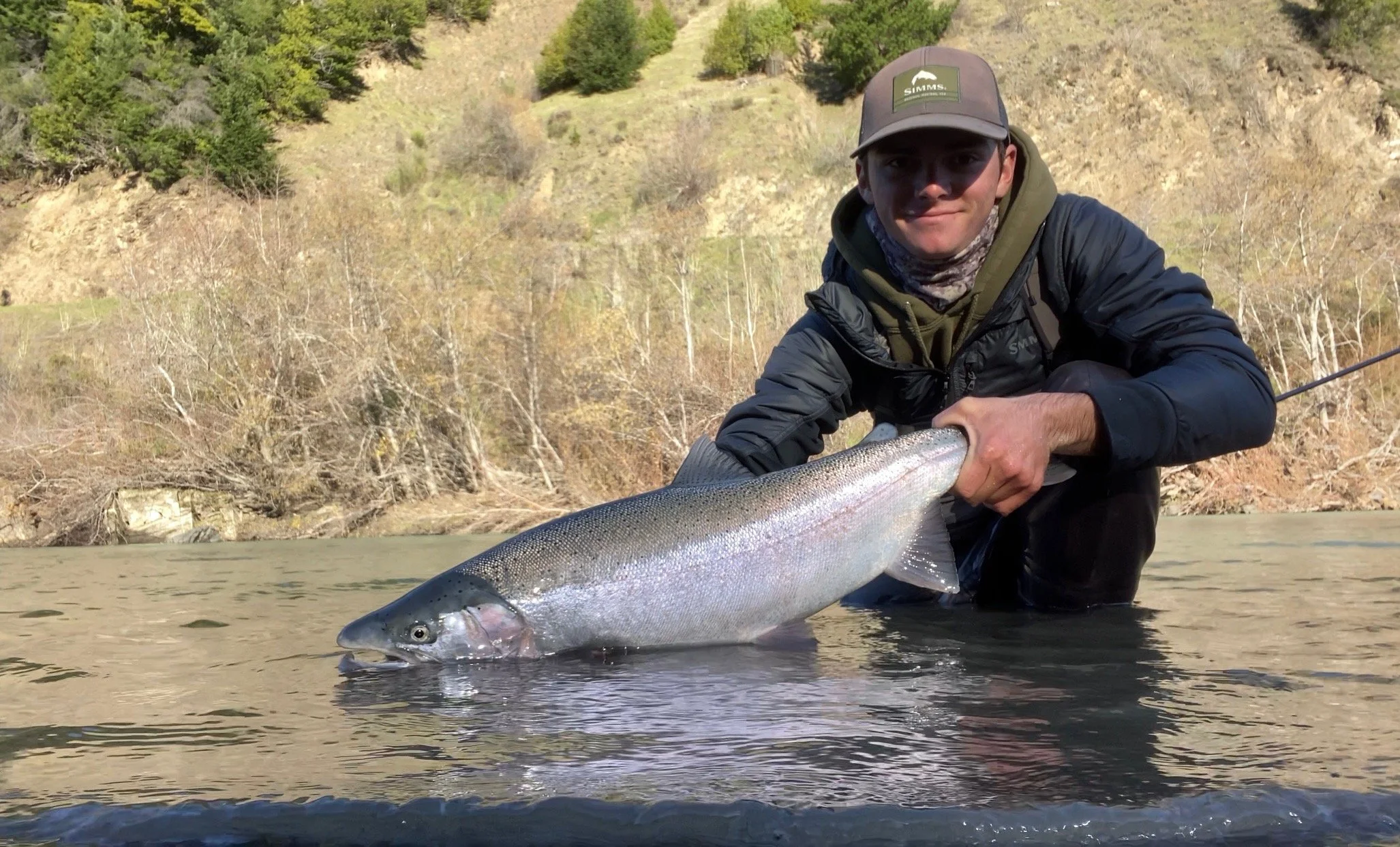
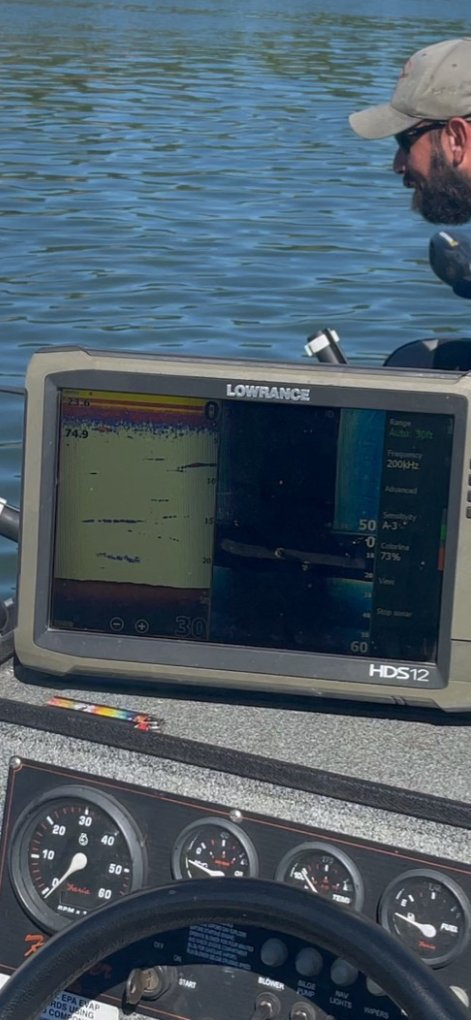
The fishing was no different. A bike ride to the Sacramento River after school could net 30-50 American shad. Salmon runs were so thick that avoiding them while steelhead fishing was a challenge. In the early 2000s, fall chinook runs reached 400,000. Last season, fewer than 10,000 returned.
**Now:**
Abalone? Gone. Feather River spring run chinook? Gone. Trinity and Klamath River spring run chinook salmon? Gone. White sturgeon? Gone. Green sturgeon? Gone. Fall chinook on the Sacramento River? Closed for the second year in a row. Late Fall Chinook Salmon on the Sacramento River? Closed for the second consecutive season. Wild trout in the Sierra Nevada? Decimated and replaced with hatchery fish. Pheasant hunting? Gone. Hound hunting for black bear? Gone. Bobcat hunting? Gone. Deer herds? Severely depleted. And I’m sure I missed a few lost privileges in that list. Not to mention now all non-game animals are on the chopping block in California. As the CDFW looks to close all hunting for Coyotes, Racoons, Opossums, ground squirrels, and more. Adding to the list of species that have been taken away from the citizens of this state.
It disgusts and saddens me to write this list. It’s not climate change—species have evolved through changing climates for eons. The real issue is mismanagement by the California Department of Fish and Wildlife (CDFW). Their primary function is to safeguard and manage our fish and wildlife for the public’s benefit. Yet, year after year, we see closures and bans. If this department were a corporation, such failures would put them out of business.
The outdoorsmen and women who grew up in the 1980s and 1990s were fortunate to experience the abundance we had. It will never be the same. Still, Northern California remains an amazing place for outdoor enthusiasts. Geographically, we’re blessed with the Sierra Nevada to the east, the coastal range and Pacific Ocean to the west, the Siskiyous to the north, and the Delta to the south.
My hope is for proper management and protection of what’s left. Instead of shutting down resources as they dwindle, we need to manage them sustainably. My criticism of CDFW stems from their ongoing mismanagement and political agendas that prioritize special interests over public benefit.
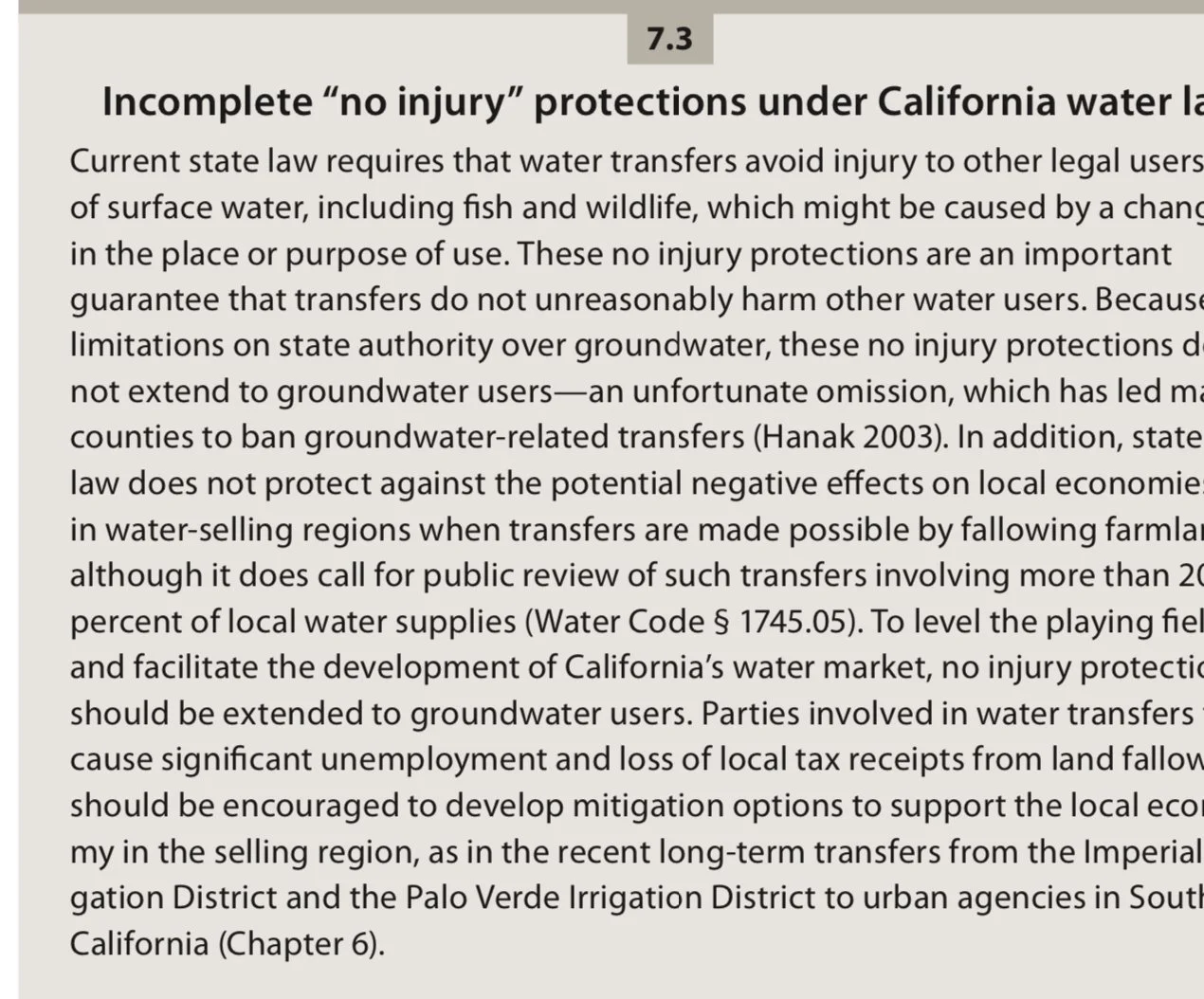
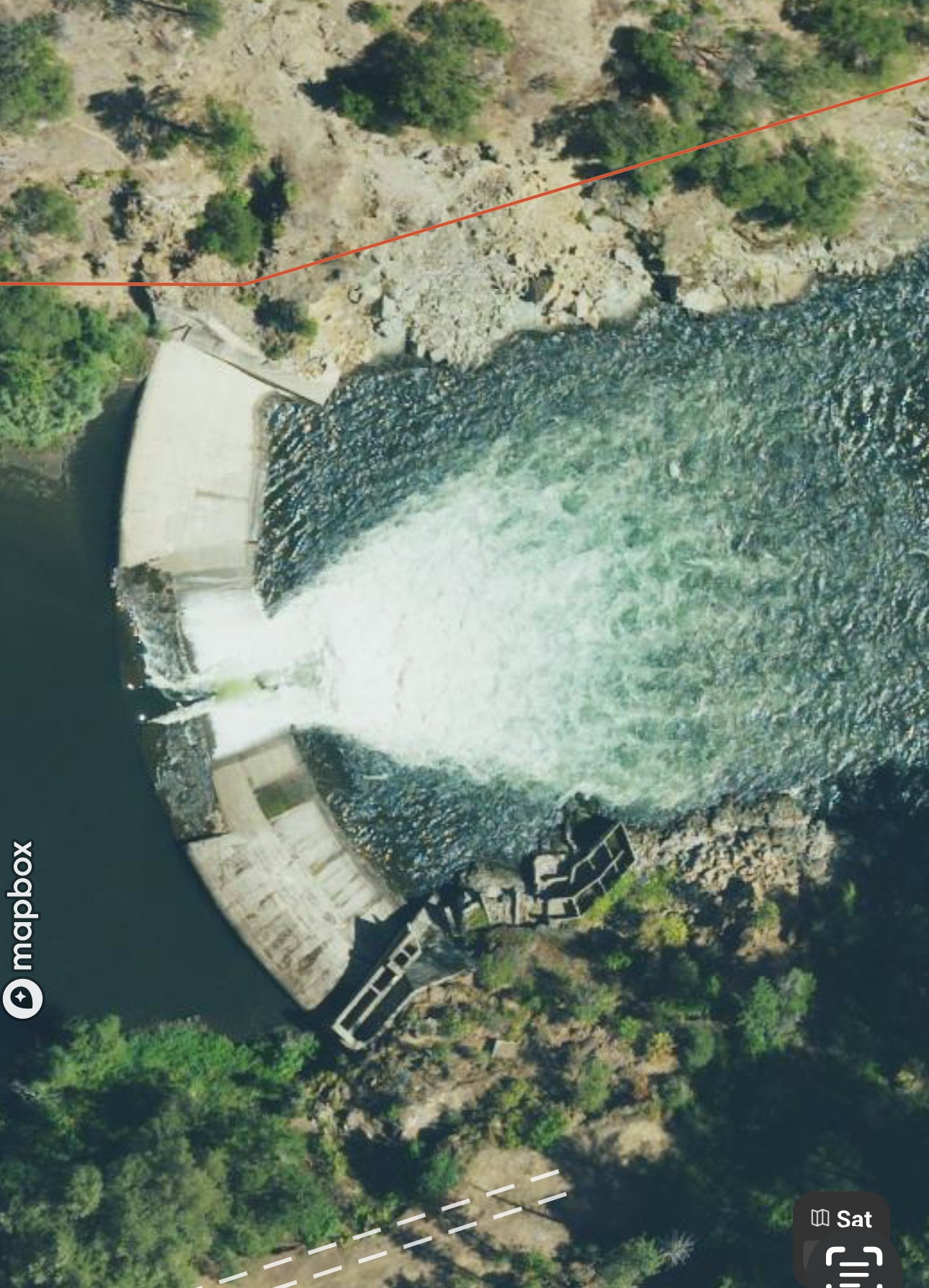
For California’s fishermen, it’s a state and federal water grab. For hunters, it’s the reintroduction of predators and overhunting on public lands. The CDFW needs to redefine its objectives. Established over 150 years ago to protect fish and wildlife during the Gold Rush, the department served its purpose well for over a century. Today, its role feels more symbolic. Game wardens now focus on minor violations rather than addressing the real threats: corporate interests, corrupt officials, and political deals that degrade our natural resources.
If left unchecked, this downward spiral will continue until there’s nothing left. When given the opportunity to slow down this degradation please do so, as it’s all we got left. Tight Lines!