WTF ARE THEY THINKING, AND WHY ARE WE PAYING FOR IT???
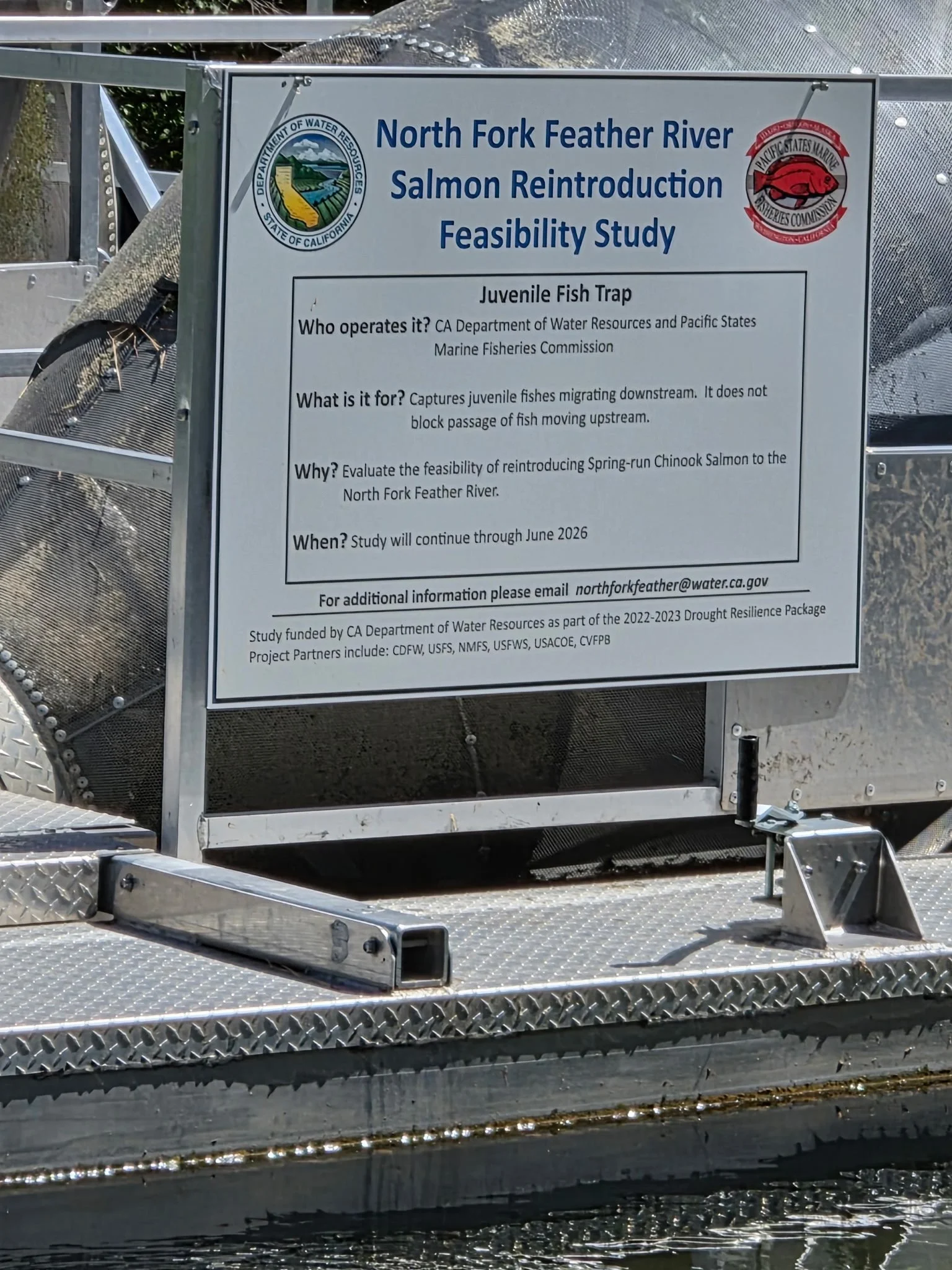
Here we go again! “Sorry” in advance for the the language and tone I’m about to express to my readers. I like to think of this as an educational rant. This may not seem like a big deal to some of you. Some of you may relate, even feel the same way. The majority of you will read this blog and continue to scroll. In the end though, you will all know how I feel about the management practices of our state and federal wildlife departments. Their corruption, ignorance, and lack of mental fortitude in making any solid decisions to benefit our states iconic chinook salmon runs. Their negligent, careless, and flat out disrespectful use of our hard earned tax dollars, and mitigation funds we are forced to give up to our entitled government and their agendas. This blog is about yet another “feel good” salmon restoration/reintroduction project. That is not only a complete waist of time, but also resources, tax dollars, man power, and in the end does nothing to help establish or rebuild spring run chinook numbers on the Feather River. A project destined to fail without doubt. Surely the genius brainstorming of a of a department head somewhere who has probably never set eyes on a real life chinook salmon. In fact it is so stupid, that the possibility of failure, or success doesn’t matter. Regardless the outcome this project will never lead to any benefits, or replenishment of a decimated and over managed ESA (endangered species act) species of chinook salmon. I call these kind of projects WAISTE, FRUAD, and ABUSE. I’d like to challenge and debate any one from any of these mentioned state and federal fish and wildlife departments that disagrees with what I’m about to lay out for you. Furthermore it is simply astounding to me that seeking the public’s opinion, with endless, priceless, real time experience, and knowledge that is greater then those who create these brainless projects. Arn’t even considered when using their tax payed money to fund them! This is a “public resource” being managed to extinction by departments that only exist because the tax payers fund them. Yet the public has zero say in how their money is spent. This is a fucking problem with me. I sure as hell could and would have told these state and federal departments they might as well take a few million bucks in stone cold cash and throw it in the same section of the Feather River where this project is currently underway. At least this way the possibility of fishermen down river finding some of these soggy bills and getting something out of their tax dollars actually exists. Because the public sure as fuck aren’t getting any extra salmon out of the this deal. They will not be delisted from the ESA, and you will still not be able to fish for “springers” on the Feather River. So what is the point of waisting all this time, effort, and money on something that will change nothing to benefit the citizens that fund it. I could go on and on, and I might. Let’s first find out about this “feel good” failure of a salmon project. Or experiment I should say!
This project I’m referring to is an attempt at spending some agreed mitigation terms laid down by law after the completion of Lake Oroville and the construction of Oroville Dam. To help offset the loss of hundreds of miles of habitat to Spring Run Chinook Salmon (SRCS) on the Feather River. Specifically the North Fork of the Feather River (By the way I’m pretty sure this project is 100% not what lawmakers in the 1960’s had in mind for “mitigation”). Which the headwaters originate from on the North East side of Mount Lassen in Northern California. The source of the cold water needed for SRCS to survive and successfully reproduce. The headwaters of the N.F. Feather River come from the melting glaciers and snow melt of the towering Mount Lassen. As water run of gathers and turns springs into creeks, and creaks into a river, the NF Feather River is formed as it drops in elevation gathering more water along its decent. The NF Feather River then enters into a very large mountain valley. Which was called “Big Valley”. Now current day Lake Almanor! This is the first of many impoundments (dam) of the North Fork Feather River, and built long before Oroville Dam. Moving down river from Lake Almanor in Plumas County the North Fork Feather River is impounded a half dozen separate times by PG&E before the river finally dumps into Lake Oroville. Which wasn’t built until 1968. Lake Oroville is not part of the Central Valley Water Project which includes Shasta Dam and the Sacramento River. Rather part of the State Water Project operated by The Department Of Water Resources (DWR). A department destine to manage king salmon to extinction on the Feather River. With their co-conspirator California Department of Fish and Wildlife of course. Possibly the biggest killer of California king salmon in recent history. This state department wrote the book on crisis management. Despite their only objective being the proper management of our states fish and wildlife species for the benefit of the public. CDFW is supposed to be the trustee of our public resources. Instead they serve corruption and political leadership.
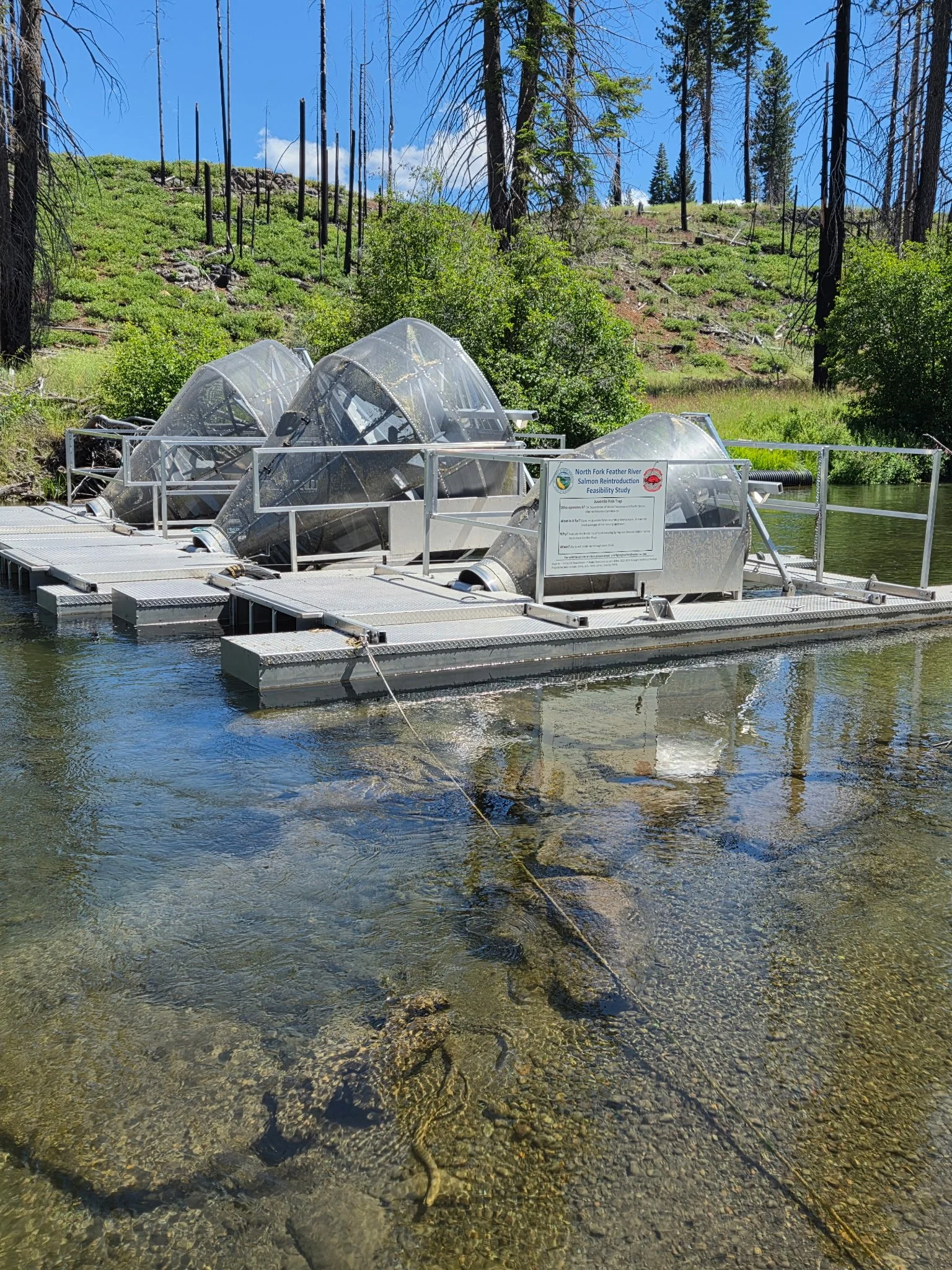
Let’s go ahead and dive into some of the specifics, and logistics of this North Fork Feather River spring chinook “feasible study program”. A program these two state departments with a collective IQ of twelve, have decided is the best use of mitigation funds and tax payer dollars for public benefit. Keep in mind no matter how you spin this it will never, ever, result in more spring chinook salmon being available for the public to fish for. Even as a catch and release fishery. Here are some facts…..
The Upper Feather River Study: The California Department of Water Resources (DWR) officially launched a boots-on-the-ground feasibility study in October 2023, collecting and isolating spring-run chinook salmon eggs at the Feather River Fish Hatchery and planting them in the North Fork Feather River and Warner Creek (upstream of Lake Almanor) near Chester, Ca on November 2023.
California Department of Water Resources (DWR): The lead agency and funding source for the Upper Feather River feasibility study, driven in part by its regulatory responsibilities tied to the Oroville Facilities.
California Department of Fish and Wildlife (CDFW): The primary agency managing the biological operations, executing the egg collections at the Feather River Hatchery, performing the river injections, and overseeing monitoring traps.
NOAA Fisheries (National Marine Fisheries Service): Provides the overarching federal regulatory framework and recovery mandates under the federal Endangered Species Act (ESA).
3. The Overall Plan & Strategy
Because the high rim dams—like Oroville and New Bullards Bar—are too massive for traditional fish ladders (which is complete bullshit) the strategy completely bypasses the idea of building physical ladders. Instead, the plan relies on a precise, low-impact "egg-to-transport" methodology (a repeated proven failure).
Phase 1: High-Elevation Incubation
Rather than trucking stressed adult salmon upstream to spawn, biologists collect spring-run Chinook eggs from the Feather River Fish Hatchery, genetically tag them via Parentage-Based Tagging (PBT), and take them into the mountains. They are currently testing two primary placement methods to see which yields the highest survival (keep in mind these spring chinook salmon are infected with warm water bacteria and parasites that come from the feather river fish hatchery, likely to spread to rainbow and brown trout in the upper Feather River):
1. The Egg Box Method: Submerging protective mesh boxes into the stream, allowing for highly controlled monitoring.
2. Hydraulic Gravel Injection: Using specialized systems to clear silt and inject the fertilized eggs directly into the riverbed's gravel substrate, perfectly mimicking a natural wild salmon nest (redd).
Phase 2: Downstream Capture & Trucking
Once the eggs hatch into fry and grow into migrating juveniles, they move downstream. The critical component of the plan is capturing these young out-migrants before they enter major reservoirs (like Lake Almanor) where they would become lost or preyed upon by resident warm-water species.
Scientists utilize existing infrastructure (such as the Chester Diversion Dam) to position rotary screw traps and emergence traps with high efficiency.
The captured wild-born juveniles are then loaded into specialized tanker trucks, driven past the dams, and released into the lower rivers (where schools of invasive striped bass wait to decimate them) to complete their migration to the Pacific Ocean.
The Long-Term Goal
The ultimate goal of these pilot projects is to prove the biological and financial viability of a permanent "Trap-and-Haul" program. By establishing self-sustaining (trucking, incubating, and distributing SRCS in my professional opinion should not be considered a self sustaining population) high-elevation mountain streams where the water is kept consistently cool by melting snow, the agencies aim to give the threatened spring-run Chinook a resilient stronghold against the rising valley floor temperatures. Or DWR could use the cold water intake pipe at the bottom of Oroville Dam and utilize this cold water to effectively manage a run of chinook salmon that is in fact a public trust and should be mitigated for the use of the public. As originally intended by law.
Ray Charles could have seen this program does nothing more then waist mitigation efforts that are in place to keep Spring Run Chinook Salmon numbers at sustainable levels for the public to benefit from. This is a fact people! These state departments DO NOT want to bring back Spring Chinook Salmon counts to a sustainable level. PERIOD! Why? Because it inter fears with the financial gain and operation of the State Water Project. The infrastructure to raise and rebuild SRCS numbers have long since been in place. The science has been proven since before Oroville Dam was built. Public support would be overwhelming, and chinook salmon in general are very easy to propagate. For gods sake the federal government funded the propagation and transportation of chinook salmon eggs to the East Coast by train one hundred years before Oroville Dam was constructed. The only shortfalls keeping the public from utilizing this fishery is corruption and greed. This is why the public is never invited or allowed to sit at the table when these decisions are being made. Sometimes, like in this situation, the public is never notified or informed of these types of projects. Simply because this program wouldn’t make sense to a fifth grader, little lone anglers. Public backlash is the only thing these state departments fear. I will for certain not make any friends with anyone in these departments. Which has never been a determining factor in how I go about my life. I’m just calling a spade a spade.
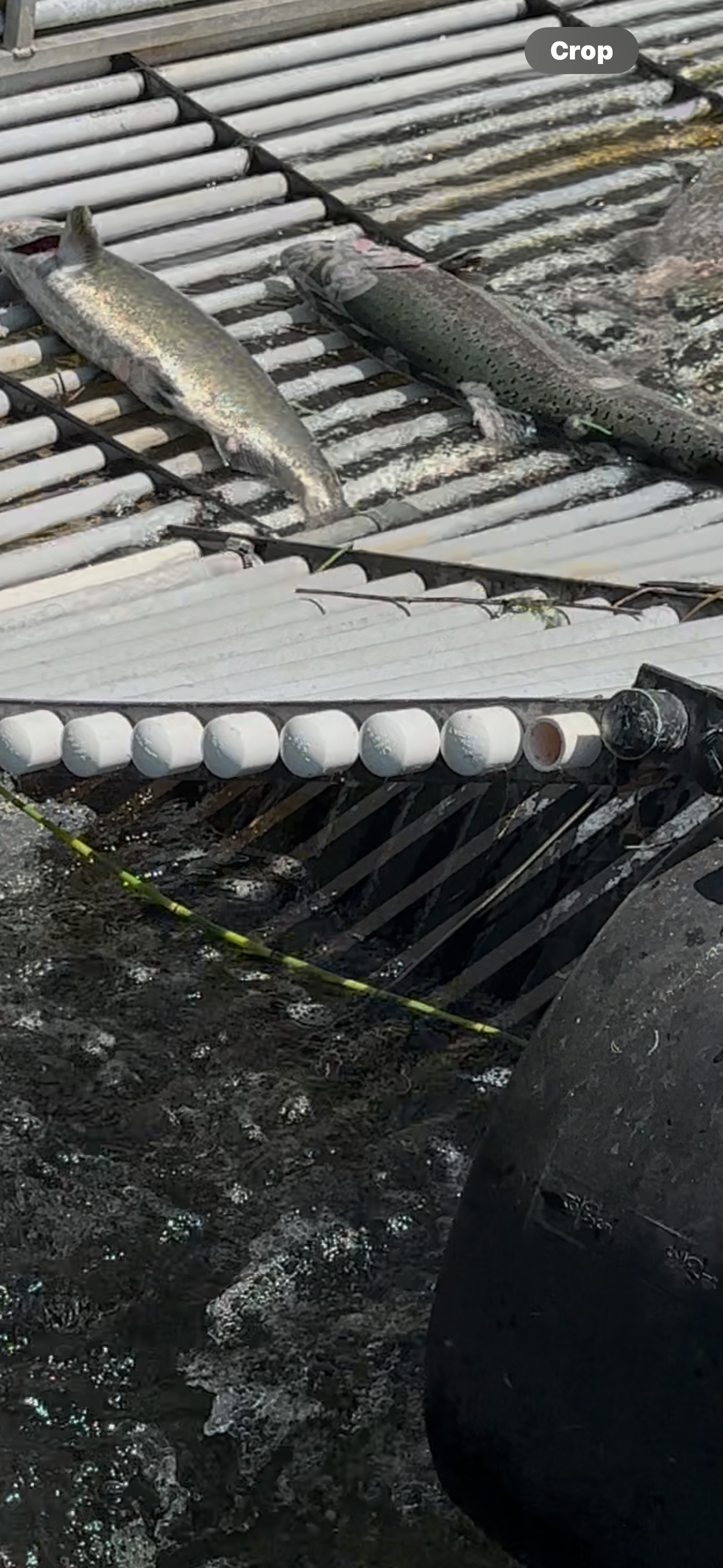
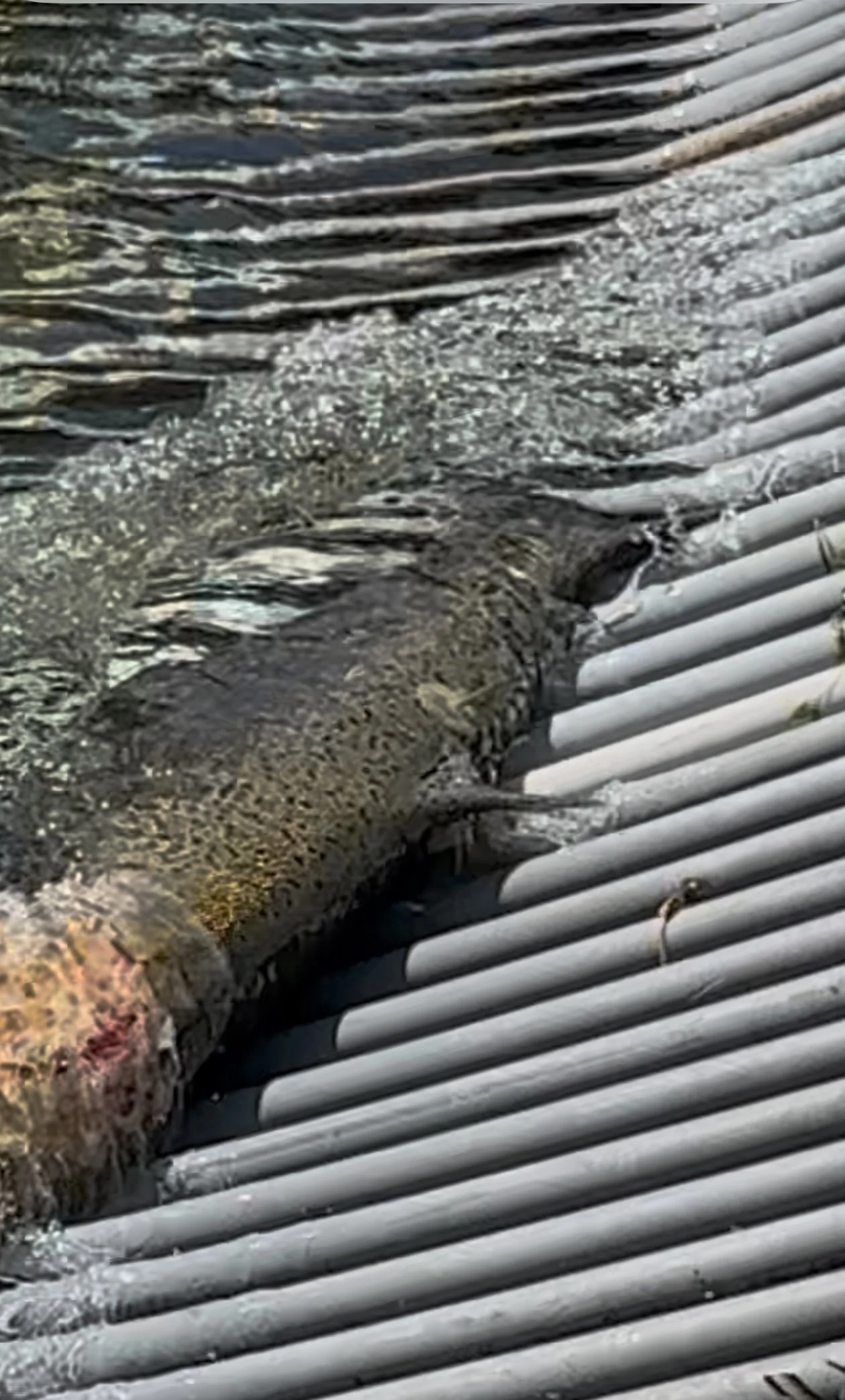
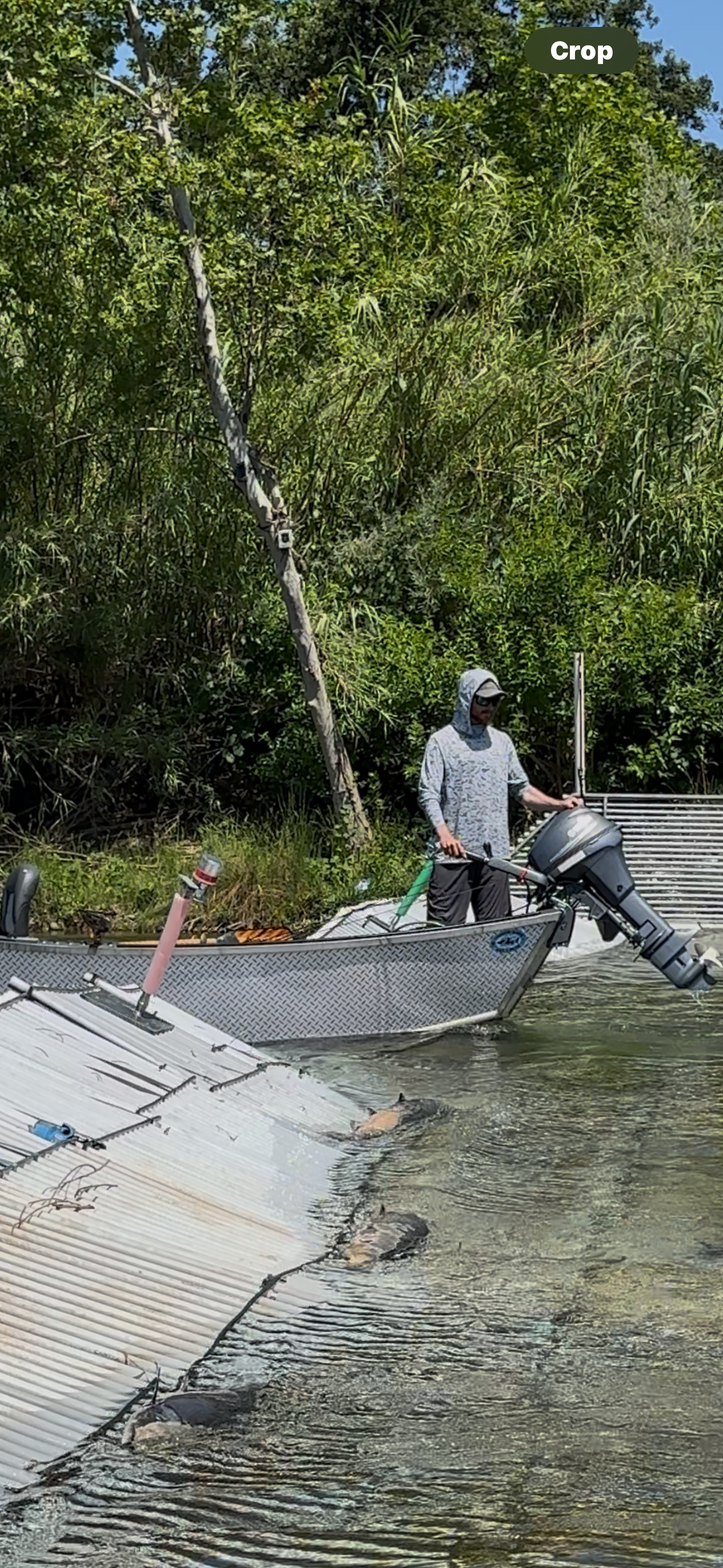
Let me finish up this rant with a brief history lesson from my lifetime. A quick timeline of how this fishery has been managed into the endangered species list in less then twenty years. In the early 2000’s when I started my fishing charter business the Feather River was booming with Spring Chinook Salmon. There was no start date to the salmon season. It simply started with the new year annually. We began fishing for “springers” when they showed up near Oroville, Ca. Spring Chinook Salmon started showing up in early spring (March and April). At which point anglers started congregating at the famous “Outlet Hole” near Oroville, Ca to target these shiny chinook salmon. This continued until the general Fall Chinook Salmon season opened on July 16th. Spring Chinook Salmon were abundant and every angler in attendance enjoyed the benefits of catching and eating these omega rich chinook salmon. There was no indication that this specific run of king salmon would eventually become a feel good science experiment that the public couldn’t so much as look at. Following the 2007 California chinook salmon season CDFW would shut down salmon fishing in all California waters for three consecutive years. For the very first time in the states history. Fall Chinook Salmon run counts hit some of the lowest numbers in recorded history. Let me point out this closure was specifically related to only Fall Chinook Salmon. A completely different run of chinook salmon then the SRCS. Regardless CDFW shut down all salmon fishing in the state including the separate species specific spring run chinook salmon that have unrelated run timing. This fishery should not have been closed to anglers. Especially since the spring run chinook on the Feather River is a hatchery program and all raised salmon are property of the public (anglers). Nevertheless spring chinook salmon fishing was closed in 2008 and would never again reopen to fishing. Even after the salmon fishing restrictions were lifted in 2011 for fall run chinook salmon. At current time the feather river hatchery in Oroville, Ca still recovers SRCS eggs at the hatchery and struggles to maintain a healthy population of this unique run of king salmon. In 2022 another “feel good project” was implemented down river of the feather river hatchery. A temporary weir was built to separate incoming Fall Chinook Salmon from the Spring Run Chinook Salmon that would already be in the Feather River. In attempts to keep from spreading the SPRAWL (spring and fall run chinook salmon which have spawned together) gene from spreading in the river systems. Something that has been happening since Oroville Dam was completed. Again a brainless money pit of a program that does absolutely nothing to promote run counts of either species. More waists and abuse by DWR and CDFW. If you ever have the opportunity to view this salmon weir you will find hundreds of dead Spring Run Chinook Salmon that get trapped at the weir as they die a slow miserable death. Stemming from a disease caused by the CDFW owned and operated Feather River Fish Hatchery. Last year 20,000+ SRCS returned to the Feather River. Instead of opening salmon fishing up for a possible short season to offset the disease caused by over crowding at the hatchery, the department let the SRCS die and rot against the face of the salmon weir. I ask myself, at what point does the public force its hand at having a say in these terrible science experiments? Implemented by people who have no fucking clue or care about what they are doing to our states salmon runs.
Feel free to express your personal feelings on this issue. Or add your own input and experiences based around this Feather River salmon fishery. What say you????